Milford Top Hardwood Refinishing for Residential and Commercial Floors
Milford Top Hardwood Refinishing for Residential and Commercial Floors
Blog Article
Premium Hardwood Refinishing Services for a Beautiful, Lasting Shine
Premium hardwood floor restoration solutions offer an effective option for enhancing the visual and practical qualities of wood floors. These services utilize high-quality materials and skilled techniques, guaranteeing a finish that is both attractive and durable. Homeowners often underestimate the impact of expert floor restoration on their property value. Understanding the nuances of this process could reveal significant advantages, particularly when considering the long-term benefits and the pitfalls of DIY approaches. What should one know before proceeding?
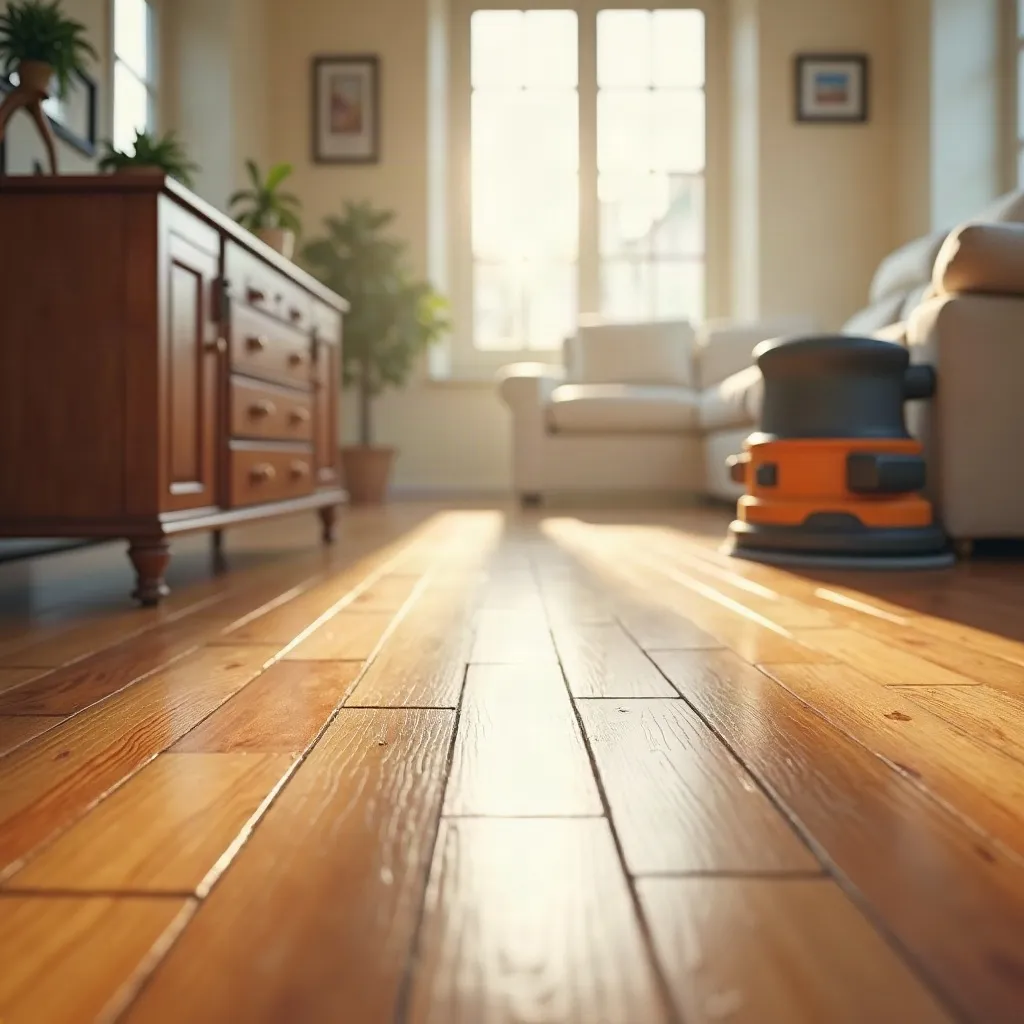
Think about Why Qualified Hardwood Restoration Pays Off
The charm of expertly refinished hardwood floors often copyrights on the expertise of expert floor restoration specialists. Choosing such services not only enhances the aesthetic appeal of a home but also greatly extends the lifespan of the flooring. Professionals possess specialized knowledge and equipment that guarantee a meticulous process, tackling imperfections and wear successfully.
Moreover, their expertise allows for customized approaches that accommodate the particular requirements of various wood types and finishes. This attention to detail can prevent further damage and costly repairs in the future.
Furthermore, a professionally restored floor can increase property value, making it a sound investment for homeowners. The time and effort saved by employing experts further support the cost, as they accomplish the job efficiently and safely. Ultimately, skilled floor restoration transforms not just the floors, but the entire character of a living space, making it a consideration worth making.
How Hardwood Refinishing Processes
Hardwood revamping employs a organized method starting with a thorough preparation and assessment process. This initial phase confirms that all existing damage is detected before applying sanding and finishing methods. comprehensive resource Understanding these steps is key to achieving the best results when restoring the beauty of hardwood floors.
Preparedness and Analysis Stages
Evaluating the state of the hardwood floor is crucial for a effective refinishing project. This process starts with a thorough inspection to identify any damage, such as scratches, dents, or water stains. Professionals typically look for indications of wear, moisture damage, and the overall integrity of the flooring. Once evaluated, the type of finish previously applied is noted, as this influences the refinishing approach. Measurements are taken to determine the square footage, directing material selection and cost estimation. Additionally, any necessary repairs, such as filling gaps or replacing damaged boards, are identified. This comprehensive assessment creates a foundation for a tailored refinishing plan, ensuring the final result fulfills the homeowner's expectations and enhances the floor's longevity.
Smoothing and Finishing Approaches Work
The process of sanding prepares the hardwood surface by taking off old finishes and defects, revealing the fresh wood underneath. This critical step consists of using several grits of sandpaper, beginning with coarse grit to eliminate deep scratches and worn spots. Progressively finer grits refine the surface, ensuring a smooth finish that enhances the wood's natural beauty. After sanding, dust and debris are thoroughly cleaned to avoid imperfections in the final coating. Next, finishing techniques like staining or sealing are applied to preserve the wood and enhance its appearance. Professional-grade finishes offer durability and a lasting shine, ensuring the hardwood not only looks beautiful but also withstands daily wear. Proper sanding and finishing techniques are essential for achieving superior results in hardwood refinishing.
Main Advantages of Professional Hardwood Refinishing Options
Converting lackluster, aged floors into stunning showcases is one of the most compelling reasons to deliberate about professional floor refinishing services. These services not only restore the authentic beauty of hardwood but also augment the overall aesthetics of a home. Professional refinishing can greatly increase property value, making it an attractive investment for homeowners.
In addition, trained professionals leverage high-quality components and innovative approaches, ensuring an impeccable finish that amateur methods often fail to achieve. This leads to, improved strength, granting floors to withstand stress over time, which is particularly useful in high-traffic environments.
In addition, experienced refinishing minimizes dust and debris, making a cleaner environment during the process. With a range of finishes available, homeowners can adjust their floors to match their style preferences. Ultimately, experienced refinishing offers a fusion of beauty, longevity, and increased home value, making it a worthwhile consideration for any hardwood floor owner.
How to Prepare Your Home for Hardwood Refinishing
Preparing a home for hardwood refinishing is essential to make certain a smooth and efficient process. First, homeowners should relocate all fixtures, rugs, and possessions from the area to create a tidy work space. This not only preserves belongings from dust and debris but also provides easy access for the refinishing team. Next, it is advisable to vacuum the floors thoroughly, eradicating dust and dirt that may compromise the refinishing process.
Homeowners should also consider securing pets in a separate area to prevent them from wandering into the work zone and guarantee their safety. Additionally, it is prudent to discuss any particular needs or desires with the refinishing professionals beforehand. Finally, maintain proper ventilation in the home, as refinishing materials can emit strong odors. By following these steps, homeowners can facilitate a more streamlined and successful hardwood refinishing experience.
Common Missteps to Avoid When Restoring Hardwood Floors
When restoring wood flooring, several common mistakes can undermine the quality. Bypassing vital prep steps, applying incorrect sanding methods, and forgetting proper finishing can lead to unsatisfactory outcomes. Knowledge of these pitfalls is vital for achieving a professional-looking finish.
Overlooking Groundwork Steps
incomplete inspection of the surface's state can also lead to missing critical fixes. Consequently, meticulous readiness is essential to secure the longevity and visual beauty of refinished hardwood floors, eventually enhancing their beauty and value in any space.
Improper Sanding Approaches
Poor refinishing techniques can greatly compromise the quality of hardwood floor refinishing. One typical mistake is applying inconsistent pressure while sanding, which can produce dips or uneven surfaces. Moreover, using incorrect grit sandpaper can result in excessive removal of material, resulting in damage. Neglecting to sand along the grain direction may also leave visible scratches, reducing the floor's overall appearance. Insufficient removal of particles between passes can cause particles to scratch the surface, compromising the finish. Finally, neglecting to shift between various grit levels can result in an inconsistent and unprofessional look. Steering clear of these mistakes is essential for achieving a even, flawless result that enhances the natural beauty of hardwood floors.
Overlooking Right Completion
Proper finishing is as essential as the sanding process in achieving a high-quality hardwood floor refinishing. Many homeowners underestimate the significance of using the correct finishes and application techniques. Ignoring this step can cause uneven surfaces, poor durability, and a dull appearance. Typical mistakes comprise applying too few coats, utilizing incompatible products, or failing to allow sufficient drying time between layers. Moreover, inadequate preparation, such as omitting thorough floor cleaning, can undermine the finish's adherence and longevity. Experts recommend opting for high-quality finishes designed for the particular type of wood, ensuring a long-lasting shine. By prioritizing proper finishing, homeowners can enhance the appearance and lifespan of their hardwood floors, steering clear of the pitfalls of poor refinishing.
Maintaining Your Newly Completed Hardwood Floors
Protecting freshly completed hardwood floors requires consistent care to maintain their beauty and durability. Frequent sweeping or vacuuming is essential to remove dust and debris that can scratch the surface. Using a soft-bristle broom or a vacuum suited for hardwood works to avoid damage.
Mopping has to be done using a damp microfiber cloth along with a pH-neutral cleaner specifically formulated for hardwood. Too much moisture can cause warping, so it’s essential to avoid soaking the floors.
Additionally, putting rugs in high-traffic areas can minimize wear and tear. Property owners should also be aware of furniture placement; applying protective pads under furniture legs can prevent marks.
Lastly, keeping appropriate humidity levels in the house can protect the wood from dimensional changes and movement. Regularly checking for damage signs and resolving them without delay will ensure the floors maintain their stunning appearance for the years ahead.
Common Asked Questions
How Frequently Should Hardwood Floors Be Restored?
Hardwood floors ought to generally be refinished every 7 to 10 years, contingent upon factors such as foot traffic, wear, and maintenance. Periodic inspections can help pinpoint the ideal timing for refinishing to maintain their appearance.
What Alternatives for Sealers Are Available for Hardwood Floors?
Numerous coatings are available for hardwood floors, like oil-based polyurethane, water-based polyurethane, penetrating oils, and varnishes. Each possibility offers distinct durability, appearance, and maintenance requirements, enabling homeowners to select based on their specific needs.
Can It Okay to Remain in My Home During Refinishing?
When the refinishing process occurs, staying in the home is commonly not recommended owing to dust, fumes, and potential hazards. Homeowners ought to contemplate provisional relocation to safeguard wellness and ease while the process is in progress.
What timeline should you anticipate for the restoration process?
Resurfacing typically demands between three to five days, depending upon the size of the region and the extent of the effort needed. This window ensures for adequate hardening and drying of the topcoat.
Is Hardwood Refinishing Risk-Free for Babies and Household Pets?
Hardwood refinishing tends to be secure for kids and animals when appropriate safety measures are followed. Guaranteeing adequate ventilation, using low-VOC finishes, and permitting adequate drying time diminishes risks, creating a safer environment during and after the procedure.
Report this page